
What Is An Office Fit Out?
/ Fit Out
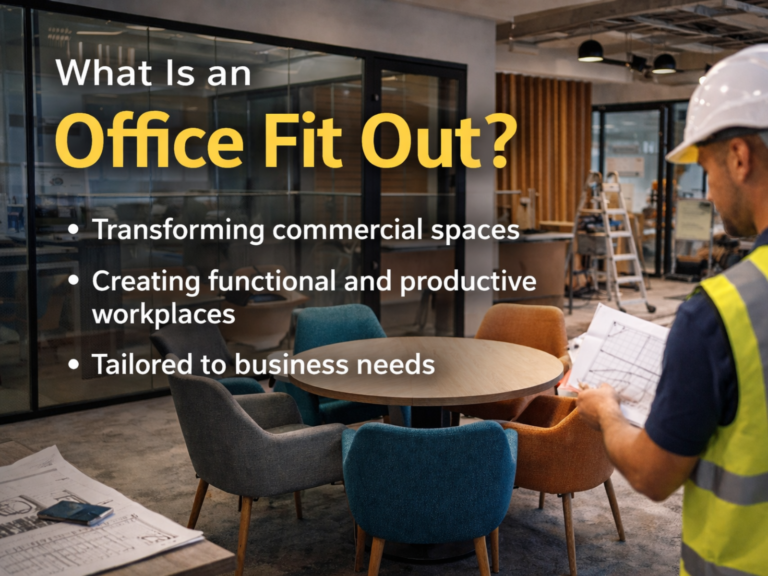
An office fit out is the process of transforming an empty or underperforming commercial space into a fully functional working environment. It bridges design, construction and strategy, turning a shell of a building into a workplace that supports productivity, collaboration and long-term business growth.
Whether you are moving into a new premises, expanding your current space or reconfiguring an existing office, a fit out ensures the environment works for your people and your brand – not against it.
At its core, an office fit out is not just about aesthetics. It is about performance. It determines how efficiently your teams operate, how clients perceive your business and how adaptable your workplace is to future change.
What Does an Office Fit Out Actually Involve?
An office fit out can range from installing essential infrastructure to delivering a fully designed and furnished workplace. The scope depends on the building’s starting condition and the needs of the occupier.
Typically, a fit out may include:
-
Partition walls and meeting rooms
-
Suspended ceilings and flooring
-
Mechanical and electrical services
-
Heating, cooling and ventilation systems
-
Lighting design and installation
-
IT, AV and data infrastructure
-
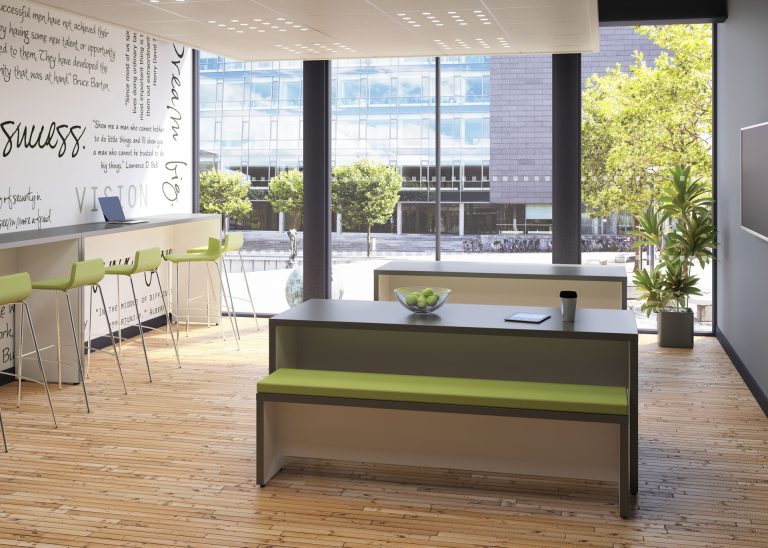
Kitchens and breakout areas
-
Furniture and storage
-
Branding and signage
-
Compliance and safety certification
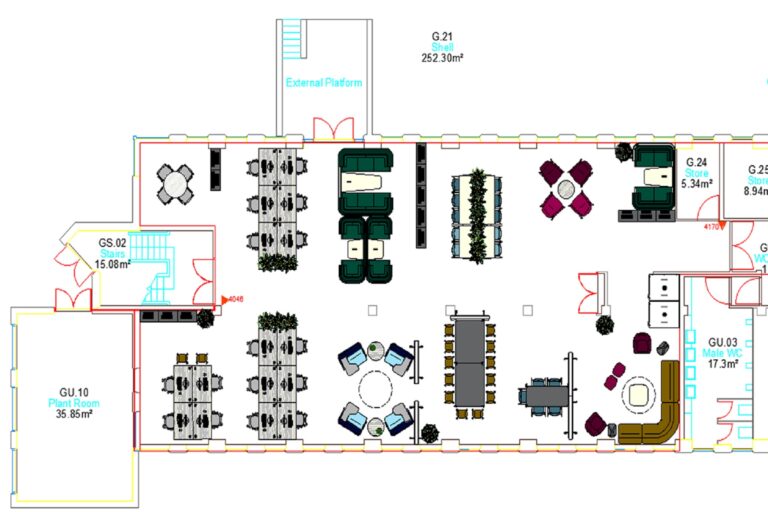
In many cases, an office fit out works alongside Office Space Planning to ensure layouts are optimised before construction begins. Intelligent planning at the outset prevents costly changes later.
When Do You Need an Office Fit Out?
Businesses typically undertake an office fit out in one of four scenarios.
Moving Into a New Commercial Space
When leasing a new office, the space is often delivered as a blank canvas. A fit out is required to make it operational and tailored to your team’s structure.
Reconfiguring an Existing Office
As working patterns evolve, layouts must adapt. Hybrid working, collaboration zones and quiet focus areas have replaced traditional desk rows. A fit out can reshape how space is used without relocating.
Expanding or Downsizing
Growth or restructuring often requires rebalancing space allocation. A fit out ensures efficiency and flexibility for the next phase of the business.
Improving Workplace Performance
Sometimes the issue is not size, but functionality. Poor acoustics, outdated infrastructure or inefficient layouts can all impact morale and productivity. A strategic fit out resolves these underlying challenges.
For businesses not requiring a full transformation, targeted upgrades can be delivered through Small Works, allowing incremental improvements without full redevelopment.
Types of Office Fit Out Explained
Understanding the different categories of office fit out helps clarify responsibility and scope.
Shell and Core
This refers to a newly constructed building where only the basic structure is complete. Internal spaces remain unfinished and require full tenant works.
Category A Fit Out
Typically delivered by the landlord, Category A includes basic finishes such as raised floors, suspended ceilings, lighting and core mechanical systems. It provides a functional but neutral space.
Category B Fit Out
Category B transforms a Category A space into a fully operational workplace tailored to the tenant. It includes layout configuration, furniture, branding and technology integration. For a more detailed breakdown of responsibilities, specifications and the differences between the two stages, see our guide to CAT A vs CAT B fit outs.
Office Refurbishment
Where an existing office requires modernisation rather than a full fit out, Office Refurbishment may be the most appropriate solution. This can include redecoration, infrastructure upgrades or layout improvements while retaining core elements.
What Is Included in an Office Fit Out?
Every project is bespoke, but most office fit outs incorporate five key elements.
1. Space Planning and Layout Strategy
Before construction begins, the layout must support workflow and collaboration. This stage aligns closely with Office Space Planning to ensure space is used efficiently.
2. Interior Design
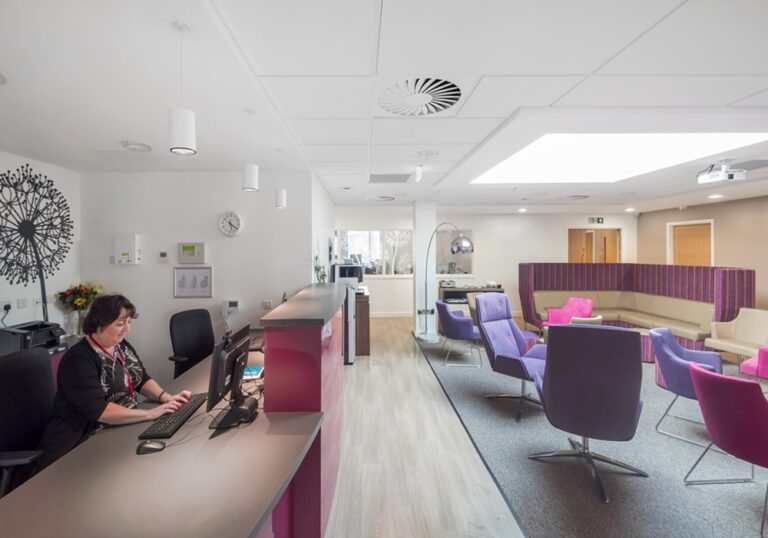
Finishes, lighting schemes, material selection and brand expression form part of Interior Design, shaping how the workplace feels and functions.
3. Infrastructure and Compliance
Electrical systems, HVAC, fire safety and accessibility standards must meet UK regulations before occupation.
4. Furniture and Workplace Solutions
Desking, seating, storage and breakout furniture are integral to usability. Strategic specification through Office Furniture ensures ergonomics and longevity.
5. Technology Integration
Modern offices rely on strong digital infrastructure, from AV systems to booking platforms and secure networks.
The Office Fit Out Process
A successful office fit out follows a structured process to reduce risk and maintain control over cost and programme.
Discovery and Briefing
Understanding business objectives, headcount and operational needs.
Concept Design
Developing layout proposals and initial visual direction.
Technical Design
Finalising drawings, coordinating engineering services and confirming compliance.
Cost Planning
Establishing accurate budgets and value engineering where required.
Approvals
Securing landlord and statutory sign off.
Construction and Installation
Delivering the physical works and integrating all systems.
Handover and Aftercare
Testing systems, addressing defects and supporting the transition into the space.
Strong project management ensures these stages run seamlessly, minimising disruption to business operations.
How Much Does an Office Fit Out Cost in the UK?
Office fit out costs vary depending on location, specification, building condition, furniture requirements and the extent of mechanical and electrical works. For a detailed breakdown of current pricing, regional benchmarks and the factors that influence project budgets, see our 2026 UK office fit out cost guide.
As a general guide within the UK:
-
Basic fit outs may begin from £45–£75 per square foot
-
Mid-range schemes typically fall between £70–£110 per square foot
-
Premium, design-led projects can exceed £120 per square foot
Key cost drivers include:
-
Quality of finishes
-
Furniture specification
-
Mechanical and electrical upgrades
-
Acoustic treatments
-
Building constraints
-
Programme duration
Early cost planning is critical. Clear scope definition prevents overspend and ensures alignment between ambition and budget.
What Makes a Successful Office Fit Out?
A successful office fit out is measured by more than aesthetics.
It should:
-
Support productivity and collaboration
-
Enhance employee wellbeing
-
Reflect company culture
-
Stay within budget
-
Be delivered on programme
-
Remain adaptable for future change
Increasingly, sustainability is also central to success. Responsible material selection, energy efficient systems and waste reduction practices all contribute to long term value.
Where leases conclude, dilapidations may be required to return the space to its original condition.

How Stirling Interiors Delivers Office Fit Outs
Stirling Interiors approaches office fit outs strategically, combining design, build and project management expertise under one structure. Our office fit out services cover the complete process, from initial planning and design through to construction, installation and final handover.
Our integrated model ensures:
-
Clear communication from concept to completion
-
Accurate cost planning
-
Seamless coordination between consultants and contractors
-
Intelligent space utilisation
-
Minimal operational disruption
We work collaboratively with landlords, agents and stakeholders to deliver workplaces that align with business goals — not just design trends.
In addition to full fit out services, Stirling also provides Additional Services including space planning consultancy, interior design refinement and phased improvement strategies.
Making the Right Office Fit Out Decision
An office fit out transforms a commercial space into a strategic asset. It shapes how your business operates, how your teams collaborate and how your brand is perceived.
The right fit out does more than fill a space. It creates an environment that supports performance, culture and long term growth. Engaging an experienced fit out company early in the process ensures clarity, control and confidence from day one. Understanding what a fit out company does can also help you choose the right partner for your project.