
What Is A Fit Out Company?
/ Fit Out
Key Takeaways
- A fit out company transforms empty or outdated spaces into fully functional environments
- They manage the entire process from design and planning through to construction and completion
- Category A and Category B fit outs define different stages of development and customisation
- Hiring a fit out company improves efficiency, reduces risk, and ensures higher quality results
- The right fit out can directly impact productivity, customer experience, and long term business growth
What Does a Fit-Out Company Do?
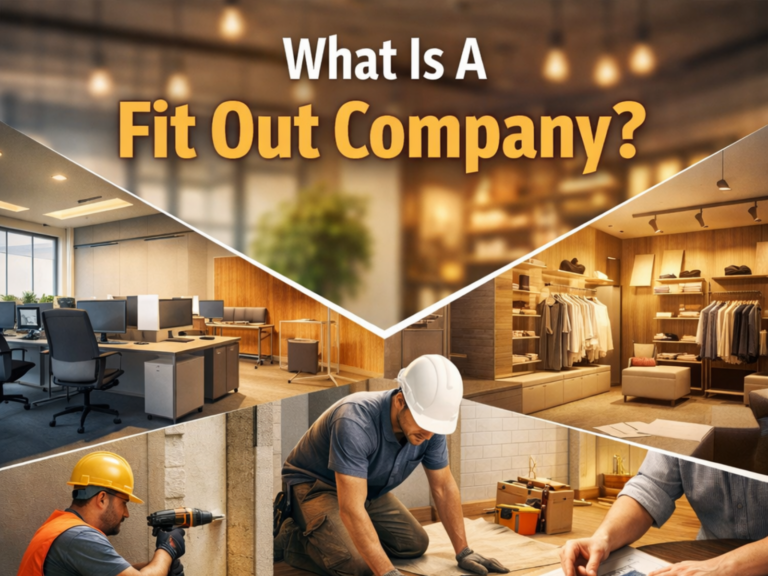
A fit-out company takes an empty, outdated, or underperforming space and turns it into something functional, practical, and aligned with how a business actually operates. That could be an office, a retail unit, a restaurant, or even a residential space.
At a basic level, they handle everything required to make a space usable. At a higher level, they ensure the layout, design, and functionality all work together to support productivity, customer experience, and long term growth.
If you’re unfamiliar with the process itself, our guide explains what an office fit out involves from planning through to completion.
What Is a Fit Out Company?
A fit out company is responsible for transforming interior spaces so they are ready for occupation. They bridge the gap between the base construction of a building and a fully operational environment.
This includes everything from planning and design through to construction, installation, and final handover. The goal is not just to make a space look good, but to ensure it performs properly for the people using it every day.
Understanding Their Role in Interior Projects
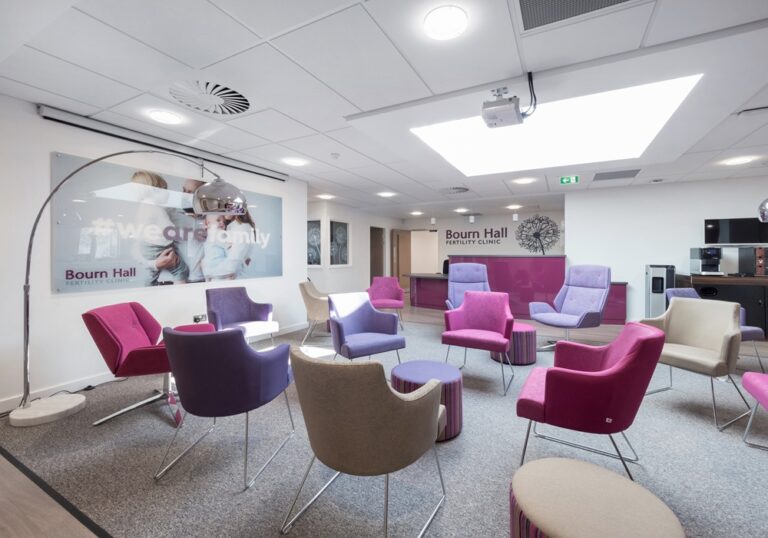
The role of a fit out company goes beyond design or construction alone. They manage the entire process of taking a space from an empty shell to a finished environment that meets both practical and aesthetic requirements.
That means balancing layout, workflow, branding, and technical requirements all at once. In most projects, they act as the central point of coordination, ensuring everything comes together without delays or miscommunication.
The Fit Out Process
Initial Consultation
The project starts by understanding the client’s requirements, budget, and timeline. This stage sets the direction for everything that follows.
Design Development / Design Phase
Concepts are created based on the client’s needs. This includes layouts, visual designs, and technical drawings that define how the space will look and function.
Space Planning
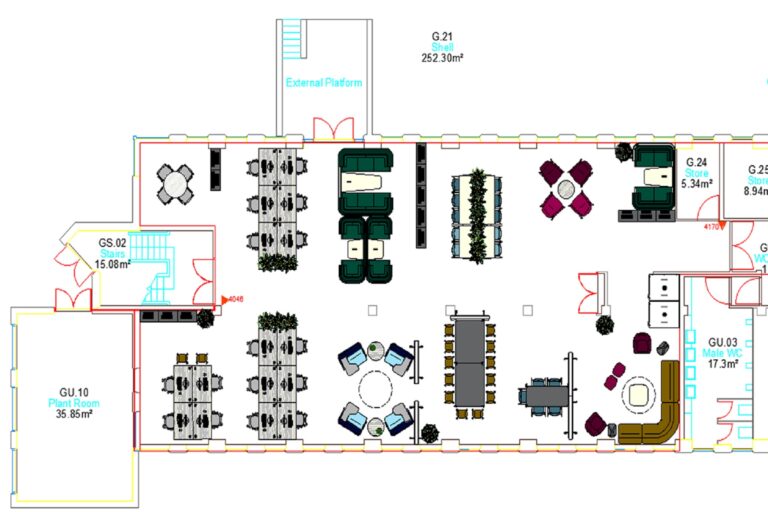
Space planning focuses on how the environment will be used. This includes desk layouts, walkways, meeting areas, and ensuring the space supports productivity.
Interior Design
Materials, finishes, colours, and branding elements are selected. This is where the visual identity of the space comes together.
Construction Stage
The physical work begins, including installing flooring, ceilings, partitions, and mechanical and electrical systems.
Project Management
The fit out company coordinates all trades and suppliers, ensuring the project runs on time and within budget.
Quality Assurance
Checks are carried out throughout the project to ensure everything meets required standards and specifications.
Project Completion
Final inspections are completed before handing the finished space over, ready for use.
Roles and Responsibilities
A fit out company is responsible for planning, managing, and delivering the entire project. This includes coordinating contractors, sourcing materials, managing timelines, and ensuring the final result meets the client’s expectations.
They also ensure that the space is both functional and visually aligned with the business, rather than just focusing on one aspect.
Types of Fit-Outs
Shell and Core Fit Out
This is the most basic stage, where only the external structure and core elements are completed. The interior still requires full development.
Category A Fit Out
This includes essential infrastructure such as lighting, flooring, HVAC systems, and electrical installations. It prepares the space for occupation but does not include customisation.
Category B Fit Out
This is the final stage where the space is tailored to the business. It includes furniture, branding, partitions, and design features that make the space fully operational.
Types of Fit Out Services
Fit out services vary depending on the stage of the project. Some clients require basic infrastructure, while others need a complete transformation from concept to completion.
Most fit out companies offer both Category A and Category B services, allowing businesses to choose the level of work required.
The Importance of Fit Out in Different Sectors
Commercial Fit Out
In offices, a well planned fit out improves workflow, collaboration, and overall productivity.
Retail Fit Out
Retail spaces rely on layout and design to influence customer behaviour and maximise sales.
Hospitality Fit Out
In hospitality, the design and atmosphere directly impact customer experience and brand perception.
Residential Fit Out
Residential fit outs focus on comfort, functionality, and personalisation of living spaces.
Benefits of Hiring a Fit Out Company
Hiring a fit out company brings expertise, efficiency, and structure to a project.
They manage the entire process, saving time and reducing stress. Their experience ensures better decision making, fewer mistakes, and a higher quality end result. They also provide tailored solutions that align with specific business needs.
Why Do You Need a Fit Out Company?
Managing a fit out project without professional support can quickly become complex. Coordinating multiple contractors, managing timelines, and ensuring compliance all require experience.
A fit out company simplifies this process by acting as a single point of contact, ensuring everything runs smoothly from start to finish.
Maximising Space Efficiency
One of the most important aspects of a fit out is making the best use of available space. A well designed layout can improve productivity, enhance workflow, and create a better overall experience for employees and customers.
Even small changes in layout can have a significant impact on how a space performs.
Compliance and Risk Management
Fit out companies ensure that all work meets legal and regulatory requirements. This includes building regulations, health and safety standards, and industry guidelines.
This reduces the risk of delays, fines, or issues after the project is completed.
Legal and Regulatory Requirements
Every fit out project must comply with local regulations. This includes obtaining permits, meeting safety standards, and ensuring all work is carried out correctly.
Fit out companies handle these requirements, ensuring the project runs without complications.
Cost and Budgeting
Estimating Expenses
Costs depend on the size of the project, the level of customisation, and the materials used. A clear scope helps define accurate budgets.
Cost Control Methods
Fit out companies manage costs through planning, tracking, and adjusting throughout the project to avoid overspending.
Choosing the Right Fit Out Company for Your Project
Industry Experience
Look for a company with experience in your specific sector.
Portfolio and References
Review past projects to understand quality and style.
Project Management Capabilities
Strong management ensures projects run smoothly.
Customisation and Innovation
The ability to tailor solutions is key.
Sustainability and Materials
Consider companies that offer environmentally conscious options.
Post-Completion Support
Ongoing support ensures long term performance.
Evaluating Experience and Portfolio
A strong portfolio demonstrates the company’s ability to deliver high quality results. Reviewing past work provides insight into their design approach, attention to detail, and ability to handle different types of projects.
Industry Best Practices
Sustainability Considerations
Modern fit outs often include energy efficient systems and sustainable materials.
Quality Assurance
Consistent quality checks ensure durability and long term performance.
Trends in Fit Out Contracting
Innovative Materials
New materials improve sustainability, durability, and design flexibility.
Technological Advancements
Technology such as smart systems and advanced planning tools is shaping how spaces are designed and used.
Common Challenges in Fit Outs
Timeline Management
Delays can impact the entire project, making planning and coordination essential.
Stakeholder Coordination
Multiple parties are involved, requiring clear communication and alignment.
Post-Completion Services
Maintenance and Aftercare
Ongoing maintenance ensures the space continues to perform effectively.
Warranty and Support
Support after completion helps resolve any issues quickly.
How to Choose a Fit Out Contractor
Choosing the right contractor comes down to experience, communication, and the ability to deliver on your requirements. A clear brief and thorough evaluation process will help ensure the right fit.
A fit out company plays a critical role in transforming spaces into environments that support business operations, productivity, and growth. Whether you are starting from scratch or upgrading an existing space, the right approach to fit out can have a lasting impact on how your business performs. If you need any support with yours, be sure to get in touch with us at Stirling Interiors.